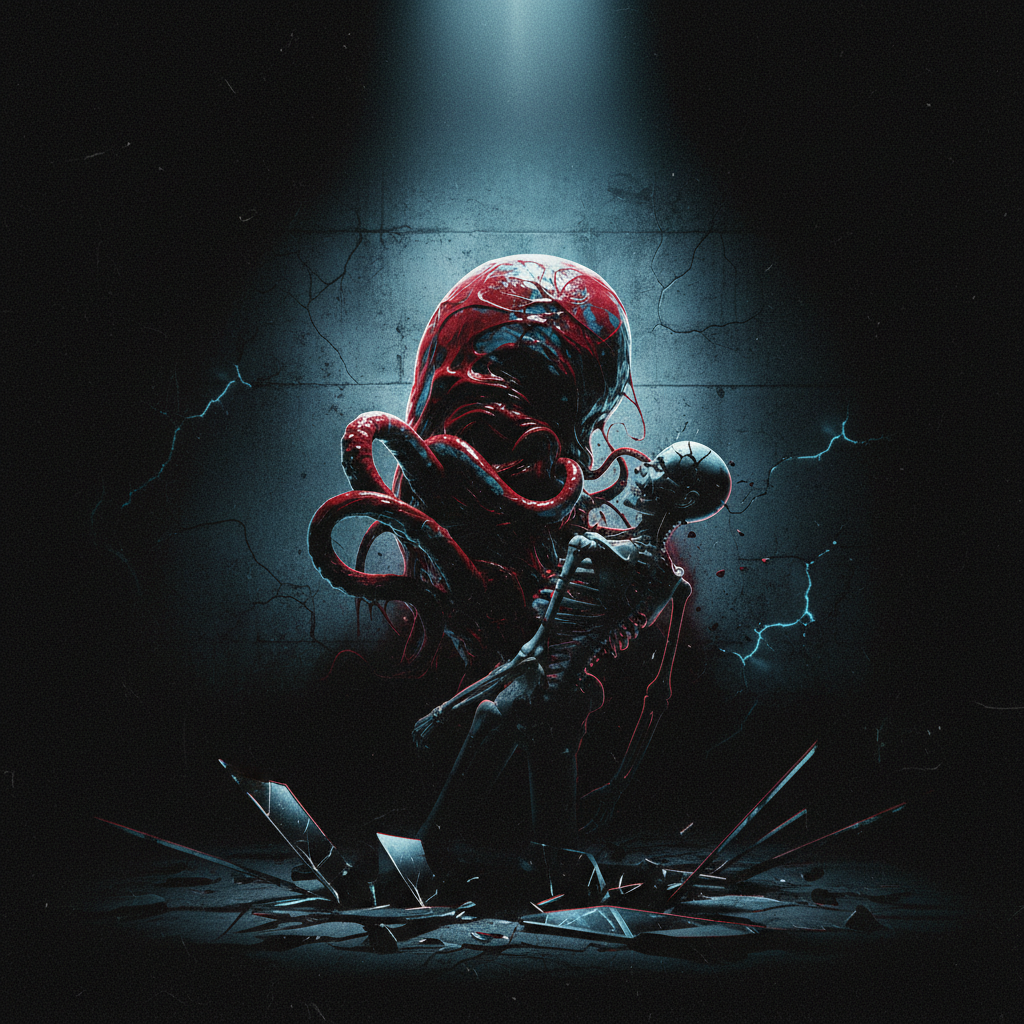
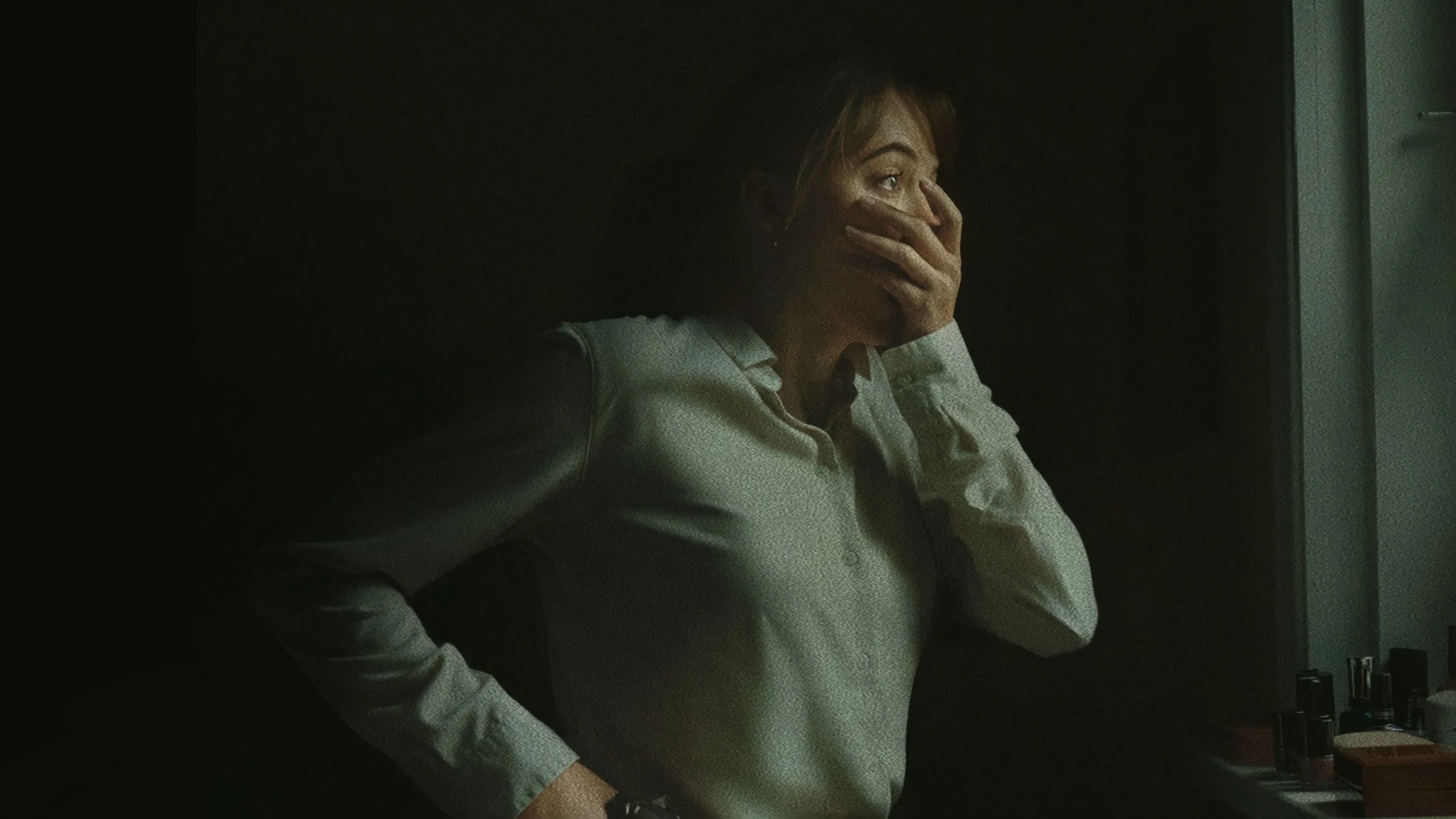
Few horror films in recent years have generated the kind of sustained unease that Longlegs has managed to maintain weeks after release. Rather than relying on spectacle or escalation, the film commits fully to ambiguity, allowing dread to accumulate through atmosphere, implication, and silence.
Set against the backdrop of a procedural serial-killer investigation, Longlegs follows FBI agent Lee Harker as she attempts to decode a series of ritualistic murders linked by cryptic symbols and disturbing family dynamics. The plot itself is deceptively simple, but the execution strips away comfort at every turn. The film withholds information not to confuse, but to destabilize.
What separates Longlegs from typical crime-horror hybrids is its refusal to frame violence as a puzzle to be solved. Each revelation deepens the sense that something far older and more malicious is at work. Nicolas Cage’s performance, largely concealed beneath physical transformation and voice distortion, becomes less a character and more an embodiment of menace. He is present even when he is absent.
The sound design deserves particular attention. Silence dominates the film, interrupted only by low-frequency hums and distant, almost imperceptible whispers. These choices amplify the psychological weight and make ordinary scenes feel dangerous. There are no cathartic releases, no traditional climactic payoff. The ending lingers because it does not attempt to reassure.
Longlegs succeeds because it understands modern horror audiences. It trusts viewers to sit with discomfort rather than demanding immediate explanation. In doing so, it joins the growing list of psychological horrors that prioritize mood over mythology, and it may ultimately stand as one of the defining genre entries of the decade.