Why This Movie Is Terrifying
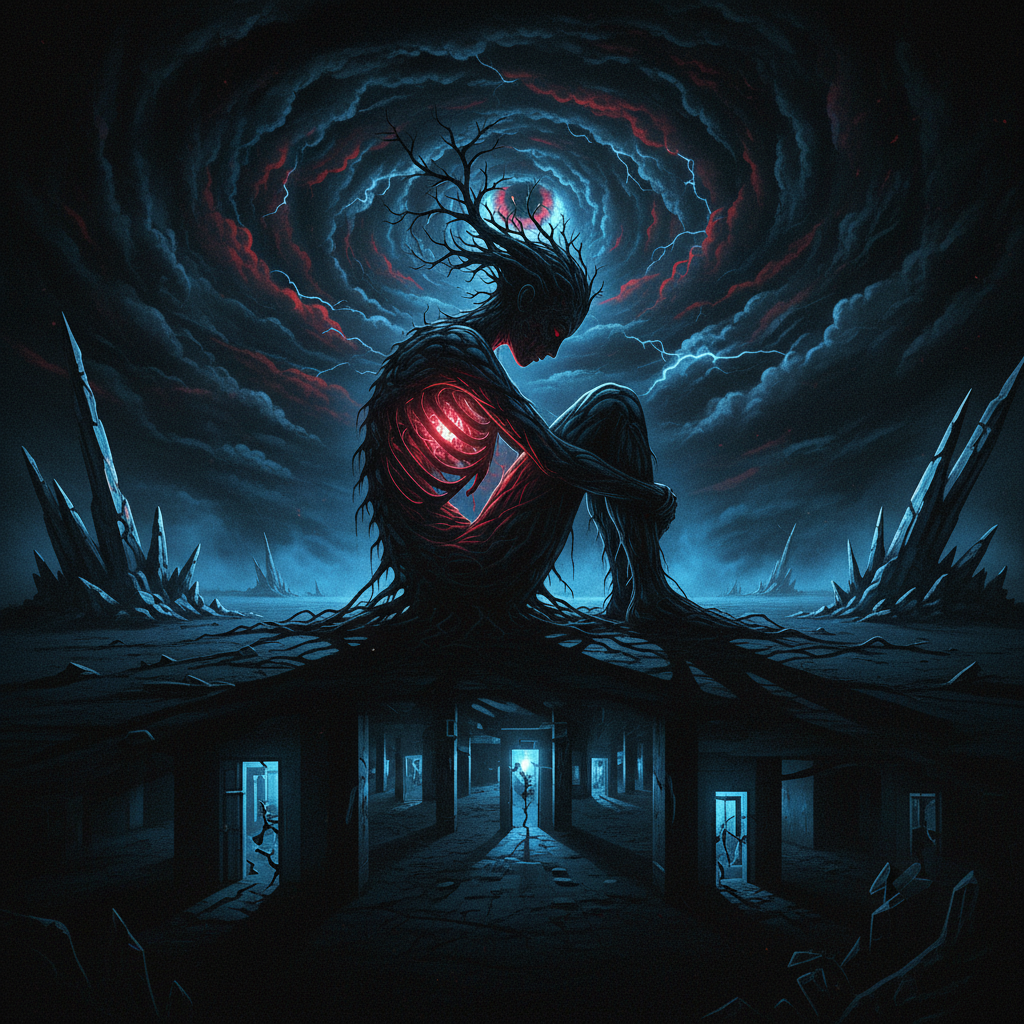
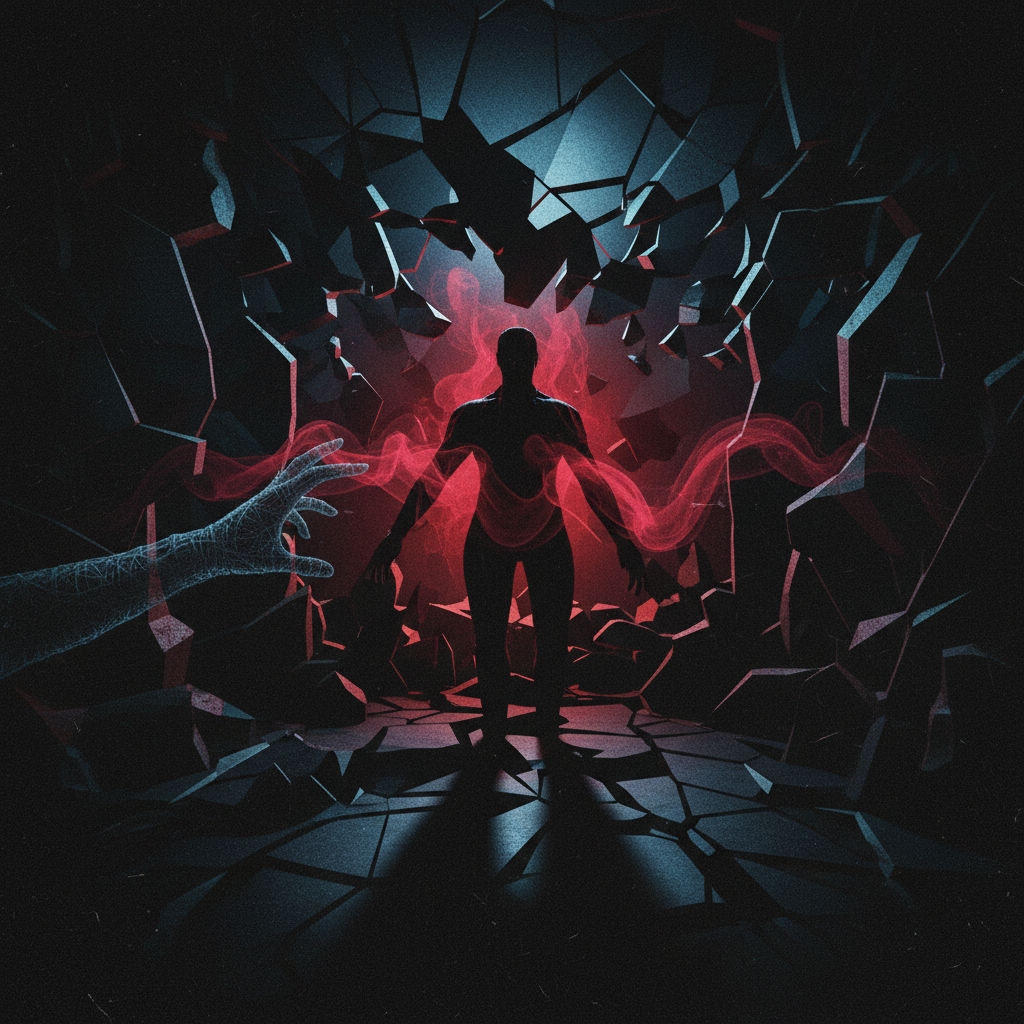
Step into the darkness, if you dare, for ‘Daniel Isn’t Real’ offers a unique brand of terror that burrows deep under your skin. Director Adam Egypt Mortimer doesn’t just show us Luke’s descent into madness; he *makes* us feel it. The film’s primary fear stems from its unflinching depiction of mental illness not as a character flaw, but as an invasive, parasitic force. Daniel, the titular figment of Luke’s imagination, is more than a hallucination; he’s a sinister manifestation of suppressed rage, anxiety, and the desperate need for control. The scares aren’t cheap; they’re born from a suffocating dread that builds with every surreal encounter, every warped reflection, and every chilling whisper of Daniel’s influence.
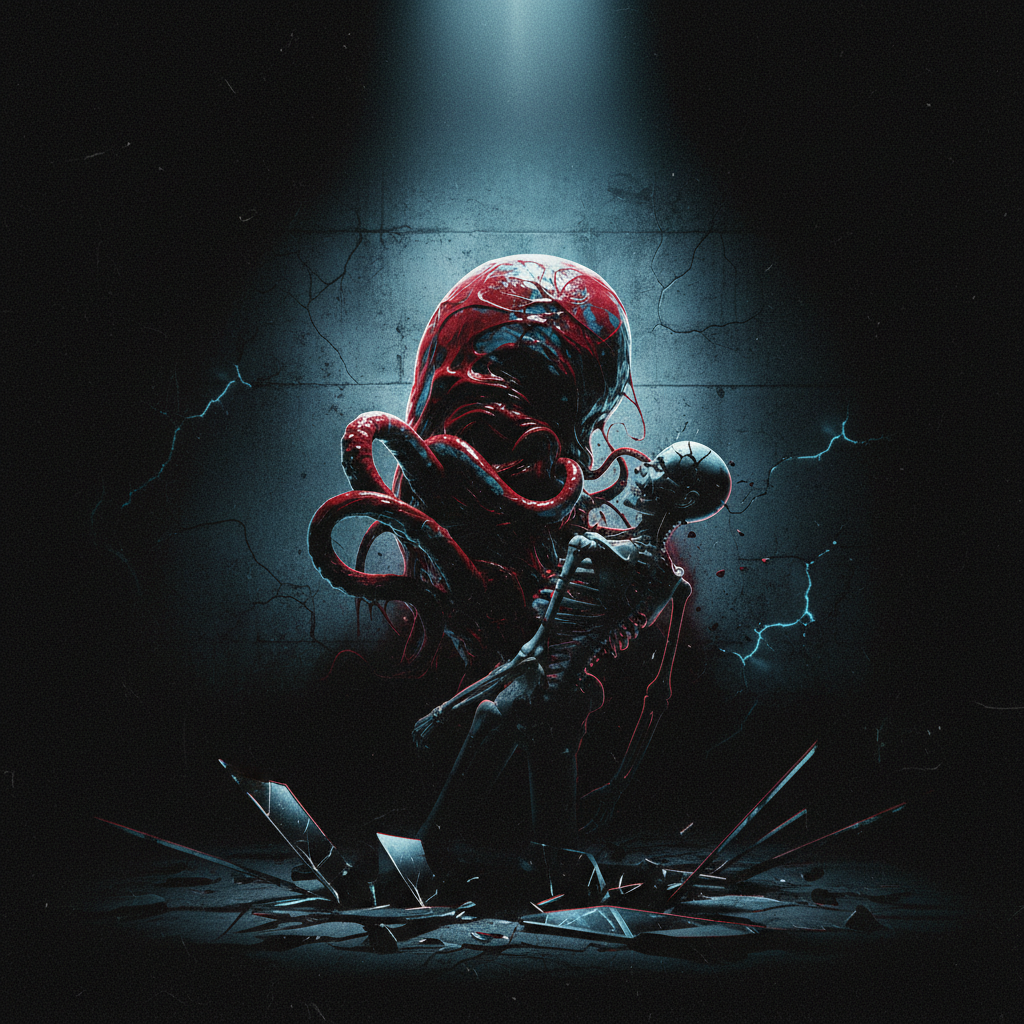
What truly elevates the terror is the film’s ingenious use of body horror. As Luke’s grip on reality loosens, his own physical form becomes a battleground. Limbs contort in impossible ways, flesh ripples with unnatural movement, and the everyday becomes a canvas for unspeakable transformations. This isn’t just gore for shock value; it’s a visceral representation of internal decay, a visual metaphor for the way mental anguish can warp and distort our perception of ourselves. The unsettling physicality of Luke’s experiences leaves you questioning what’s real and what’s a projection of his crumbling psyche, blurring the lines between internal struggle and external threat in a deeply disturbing way.
What Makes It Stand Out
Beyond its terrifying premise, ‘Daniel Isn’t Real’ is a masterclass in visual storytelling and a sadly underappreciated commentary. Mortimer crafts a world that feels both hyper-real and nightmarishly skewed, employing a kaleidoscopic palette and disorienting camerawork to mirror Luke’s fractured mind. The hallucinatory sequences are not mere stylistic flourishes; they are integral to understanding Luke’s internal landscape, from the vibrant, unsettling glow of Daniel’s presence to the stark, suffocating emptiness of his absence. The film’s daring aesthetic, coupled with its commitment to exploring profound themes, sets it apart from much of the contemporary horror landscape.
Crucially, ‘Daniel Isn’t Real’ offers a potent, albeit bleak, examination of generational trauma and the crushing weight of masculine expectations. Luke’s struggles are amplified by a fractured relationship with his father and the societal pressure to be strong, stoic, and in control – ideals that Daniel preys upon. The film suggests that the monsters we battle often stem from the toxic legacies we inherit and the impossible standards we’re forced to uphold. It’s a daring exploration of how suppressing emotions and conforming to harmful ideals can manifest as terrifying external and internal demons, making it a film that resonates long after the credits roll.
If You Love This, You’ll Love…
Jacob’s Ladder (1990): This psychological horror classic masterfully blends reality and hallucination, making you question everything the protagonist experiences. Its unsettling visuals and exploration of trauma have a similar disorienting effect.
Midsommar (2019): While more folk horror, Ari Aster’s film shares ‘Daniel Isn’t Real”s commitment to depicting mental anguish through increasingly nightmarish and visually striking scenarios. It’s a beautiful and disturbing descent into a psychological abyss.
Braid (2018): This indie horror gem utilizes surreal imagery and a fractured narrative to delve into themes of depression and trauma. Its focus on internal struggles manifested externally will appeal to fans of ‘Daniel Isn’t Real’.
Where to Watch Right Now
As of my last update, ‘Daniel Isn’t Real’ is available to stream on Shudder in the US, UK, Canada, and Australia. It may also be available for rent or purchase on various digital platforms like Amazon Prime Video, Apple TV, and Google Play Movies.
Final Verdict
‘Daniel Isn’t Real’ is a bold, uncompromising vision that deserves far more recognition. It’s a film that trades cheap thrills for a deep, unsettling exploration of the human psyche and societal pressures, leaving an indelible mark. If you’re seeking intelligent, visually arresting horror that grapples with significant themes, you absolutely must experience this visceral nightmare.