Why This Movie Is Terrifying
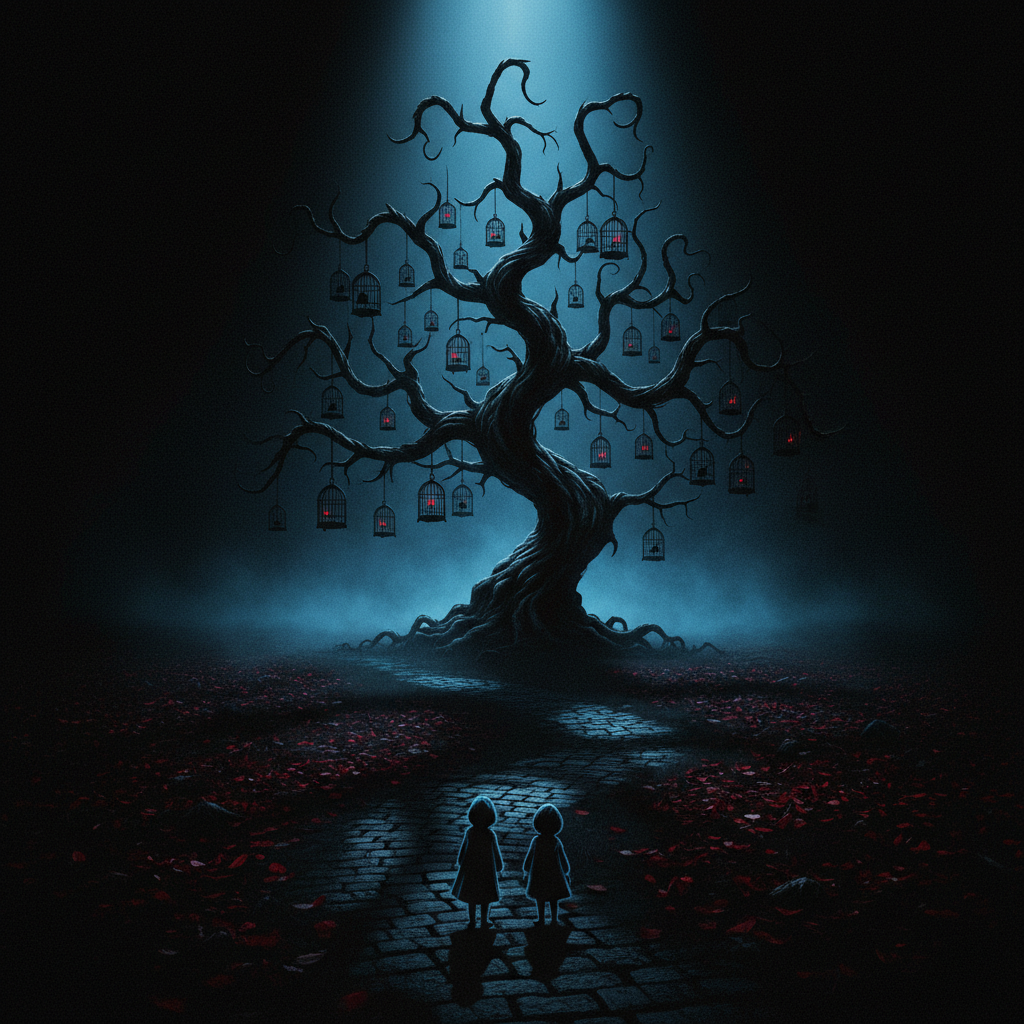
Forget sugary-sweet endings and damsels in distress. Oz Perkins’ Gretel & Hansel plunges us headfirst into a visceral nightmare, a landscape where starvation gnaws not just at the belly but at the very soul. The initial terror stems from its stark realism – two children abandoned to the elements, the gnawing hunger, the creeping despair. This isn’t jump-scare fodder; it’s the slow burn of existential dread, the kind that lodges itself in your chest and refuses to leave. The isolation is palpable, amplified by the desolate, almost alien beauty of the perpetually twilight forest, a character in itself, breathing and watching.
But the true horror unfolds when the children stumble upon the witch’s house. This isn’t the cackling hag of nursery rhymes; she’s a figure of ancient, predatory power, and her house is a gilded cage, a testament to the insidious ways women have been trapped and exploited. The film masterfully blurs the lines between entrapment and potential, between victimhood and burgeoning power. The creeping influence of the house, the whispers of forbidden knowledge, and the insidious seduction of dark arts tap into a primal fear of losing oneself, of being consumed by something far older and more potent than mere hunger.
What Makes It Stand Out
Where Gretel & Hansel truly shines is in its audacious subversion of the source material and its breathtaking visual artistry. Perkins strips away the familiar fairytale scaffolding to expose a raw, elemental story of survival and burgeoning female agency. Gretel, played with fierce determination by Sophia Lillis, is no longer the passive victim. She is the protector, the strategist, and crucially, the one who begins to understand the power that lies dormant within the wilderness and within herself. The film positions witchcraft not as inherently evil, but as a force of nature, a survival tool, and a reclamation of power in a world that seeks to diminish women.
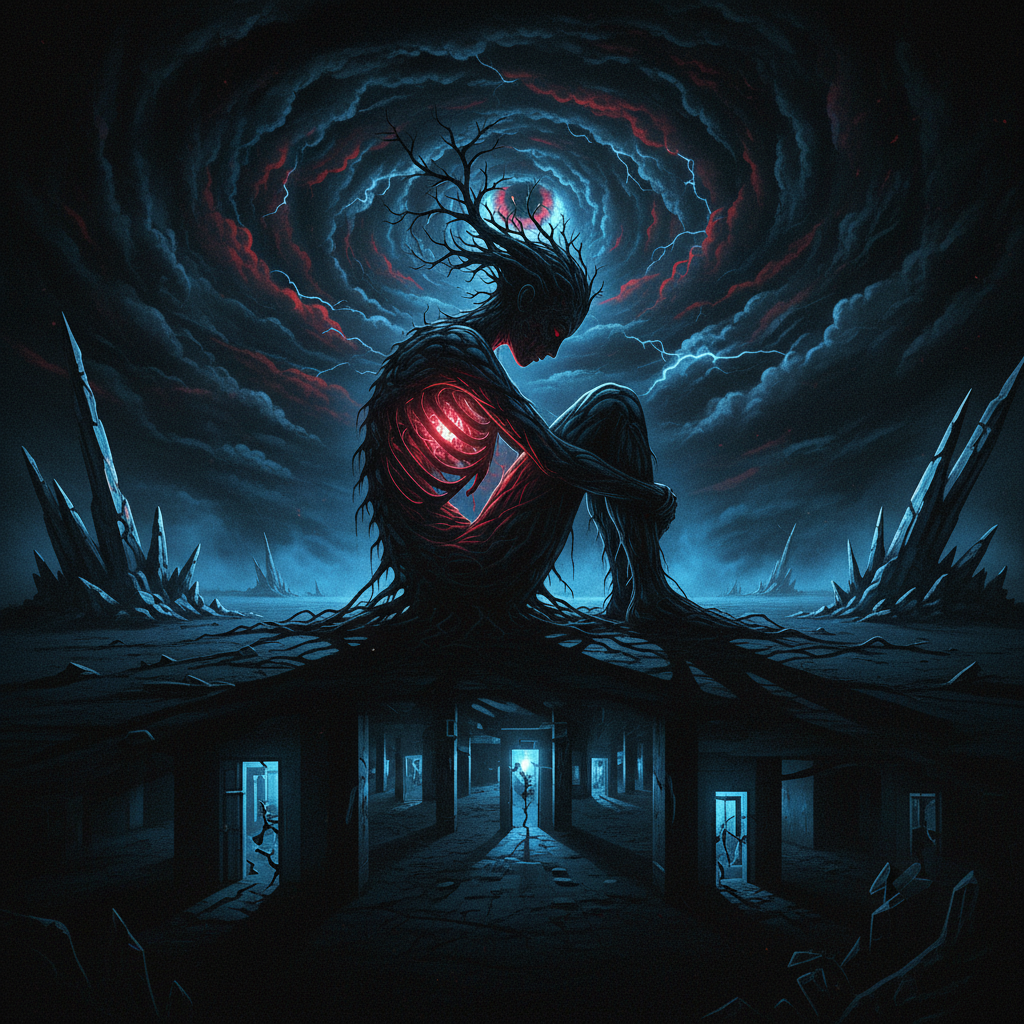
Visually, Gretel & Hansel is a masterpiece of atmospheric dread. Cinematographer Gal Todd crafts a world bathed in perpetual twilight, with shadows that writhe and beckon. The unsettling green hues of the forest and the stark, skeletal architecture of the witch’s domain create a visual language that is both beautiful and deeply disturbing. Every frame is a painting, meticulously composed to evoke a suffocating sense of unease. This isn’t just a movie; it’s an experience, a descent into a darkly enchanting fever dream that lingers long after the credits roll.
If You Love This, You’ll Love…
The Witch (2015): This period folk horror film shares Gretel & Hansel’s commitment to atmospheric dread and exploring the dark side of nature and burgeoning female power within a patriarchal society.
Midsommar (2019): For those drawn to the folk horror elements and the unsettling embrace of pagan rituals, Ari Aster’s sun-drenched nightmare offers a similarly disturbing descent into cultic practices and societal breakdown.
The Babadook (2014): If you appreciated the exploration of grief, motherhood, and the manifestation of inner demons through monstrous imagery, this psychological horror gem will resonate deeply.
Where to Watch Right Now
You can find Gretel & Hansel (2020) available for rent or purchase on platforms like Amazon Prime Video, Apple TV, and Vudu in the US, UK, Canada, and Australia. It’s also often available on streaming services with an entertainment add-on. Check your local listings for current subscription availability.
Final Verdict
Gretel & Hansel is a bold, beautiful, and undeniably terrifying triumph of folk horror. It’s a film that respects its audience’s intelligence, offering a potent, feminist reimagining of a classic tale that will haunt your dreams. If you’re looking for horror that’s as intellectually stimulating as it is viscerally unsettling, this is an absolute must-see.